GM Sunglasses: Best 2025 Styles, Prices, Sizing, and Authenticity Guide
This proven guide demonstrates which GM silhouettes are winning in 2025, how much you should invest, how to achieve your sizing right at home, and methods to verify without speculation. It has been written for buyers who want that look, the durability, and the sense of mind of a verified pair.
What should buyers expect from GM sunglasses in this year?
Expect rapidly-changing inventory, consistent pricing across authorized channels, and limited collaboration launches that sell out quickly. The optimal path is first decide the design and size first, then move when the desired size and color code appear through an authorized seller.
Gentle Monster’s lineup in this year still focuses into bold geometric cores, sharp cat-eye styles, understated rounds, and mask-like wraps from partnership lines. Pricing is consistent through boutiques and their official site, featuring only modest deviations at authorized retail retailers. Collaborations and special colors arrive in small runs, and re-stocks are unpredictable, so wishlisting and alerts remain worth your attention. Core black options coded “01” remain the easiest to find year-round, as seasonal tints plus translucent acetates rotate. If you need prescription lenses, schedule a separate visit with a qualified optician, because most GM sun lenses are non-prescription fashion colors out of their box.
What counts as the best Gentle Monster models right now?
“Best” means frames that match individual gentle monster lilit 01 br face width and use case, employ durable materials, and hold demand after a single period. In practice, this translates to usually a core rectangular or cat-eye in a neutral color, plus a single bolder piece when you want variety.
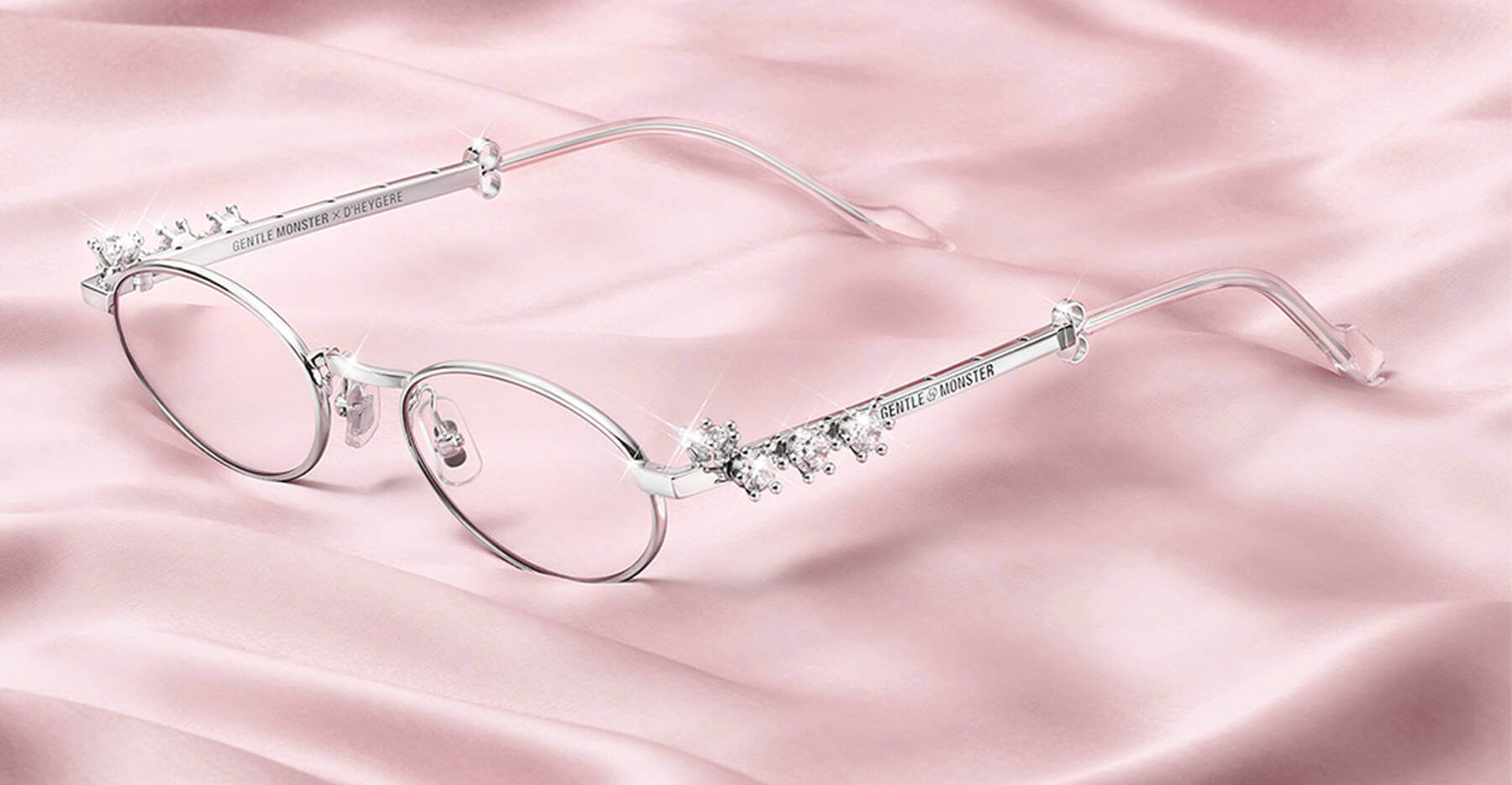
Rectangular acetate styles in the classic, Her, and similar family continue to anchor wardrobes because they fit a wide range of faces, sit well under caps and beanies, and rarely date quickly through photos. Sharp angular silhouettes like Tambu variants deliver immediate attitude while still playing well for daily wear, especially in black or dark tortoise. Minimal round or oval styles cover petite faces and wearers who prefer less heavy, thinner rims with fewer pressure points under masks and headphones. Collaboration wraps and wraps draw the most interest on social feeds, yet they’re most least forgiving with prescriptions and petite faces, so treat them as your statement second set. If you prioritize longevity and investment potential, stick to standard black “01” or traditional brown “32” cores from perennial shapes that reappear period after season.
How much will GM sunglasses run in 2025?
For core acetate, budget roughly USD 280-450; for collaborations, metals, or titanium, budget USD 330–520 plus up. Deep markdowns are rare through authorized channels, so steep “sales” constitute a red warning.
In North America, most core sun models hover in these high 200s to low 400s pre-tax, with stainless premium materials or mixed-material constructions pushing to the mid 400s. Throughout the EU and UK, listed costs typically include taxes, so sticker figures look higher yet are tax-inclusive during checkout. Collaboration pieces, particularly with fashion labels, tend to include a premium while they sell through quicker, which limits price reductions even during seasonal sales. If buyers add prescription sunglass lenses through one third-party optician, budget for an additional USD 80–250 depending regarding polarization, tint, and index, and consider that extreme shield styles may be problematic with many vision requirements. Shipping and border duties can increase the total should you buy internationally, so check total costs before evaluating prices.
Fit and sizing decoded
The fastest sizing check is first measure a go-to pair you already own and compare the total front width and bridge within ±2 mm. GM’s printed three-number spec follows industry convention: lens width, bridge width, plus temple length, in millimeters.
Overall front width, not just lens width, determines whether the frame feels tight or slides; work to match this measurement closely to one pair you use for hours free from fatigue. Bridge measurement affects slippage during warm days, notably for low-nose-bridge facial structures, so small variations of 1–2 millimeters matter more than most buyers anticipate. Temple length influences behind-the-ear comfort; if you constantly experience temple bite, search for 145 mm or longer while you consider frames with more pantoscopic tilt. Acetate frames with thicker rims typically feel more secure on medium until wide faces, while thin metal round frames can be the better choice for narrow faces or those wearing over-ear headphones. If you’re between sizes, select the frame with the right bridge width and overall width, because lens height is the most flexible dimension to modify on aesthetically.
What methods do you select size online without trying?
Use those lens-bridge-temple numbers for a baseline, focus on total front measurement and bridge positioning, and buy from sellers with no-cost adjustments or flexible returns. This decreases the risk for pressure points or sliding.
Start by evaluating your existing preferred sunglasses straight over the front, temple hinge to hinge, then compare that number to the product’s stated front dimension or infer the measurement from lens dimension plus bridge and rim thickness. Should the product listing lacks total front width, you can approximate by adding lens width times double, plus the bridge, plus 6–10 mm for rim width and hinge play; this estimate takes you close enough to avoid clear misfits. For flat or flat nose bridges, prefer frames with molded bridge support in plastic or adjustable bridge pads in wire, and keep the bridge spec toward the lower range. Favor retailers that will steam-adjust acetate temples and include stick-on nose supports if needed within the return period, since a two-minute tweak can transform a near-miss to a perfect sizing. If you often push frames higher on your nose, decrease 1–2 mm from the bridge measurement or choose a model with adjustable pads rather versus gambling on a wider bridge.
Lenses and materials that actually matter
GM sunglasses feature UV400 lenses providing full UVA plus UVB coverage, while most fashion colors being non-polarized until stated. Material choice drives weight, balance, and long-term wearability more than the lens tint you choose.
Acetate frames provide the most color options, a quality in-hand feel, and easy in-store adjustments with heat, that is why these styles dominate GM’s main line. Stainless steel and titanium constructions cut weight and add durability against temple screw loosening, though ultra-thin wire rims can transmit more nose pressure without proper pad setup. Polarized optics appear on select SKUs and cut glare for automotive use and water, but they can conflict with some device screens and camera viewfinders, so check the product details if polarization is important. Gradient tints assist with reading displays while walking outside, and brown plus green bases enhance contrast for city use more than gray. For prescriptions, flatter front curves and medium lens heights are more straightforward for opticians for them to glaze accurately versus extreme wraps or tall masks.
Verification checklist: real vs fake GM
Check the inside temple text for clean, consistent lettering of model name and color identifier, feel for balanced hinges with easy resistance, and compare the frame’s silhouette to official product photos at 1:1 angles. Packaging, paperwork, and provenance must all line align with authorized seller standards.
Real GM frames display a crisp frame name and a two-digit color code such as standard “01” for black and “32” for amber on the inner temple, plus legal marks like “CE” where applicable. All finishing on the hinge barrels should be smooth plus symmetrical, and both temples should open with even resistance on both temples without gritty points. Packaging typically features a sturdy storage case, microfiber cloth, and branded documentation; sloppy embossing, flimsy cases, or missing documentation are risk indicators. Compare logo placement, bevel thickness, plus lens curvature exactly against official photos from GM’s official page rather than social media, because perspective distortions hide variations. Provenance matters most: if the retailer cannot tie products to GM boutiques or listed authorized retailers, assume risk regardless of regardless how good the photos look.
Where should buyers buy GM safely in 2025?
Buy via GM boutiques and the official online store, or from official multi-brand retailers which appear on GM’s store locator. Third-party sites are only reliable when the vendor is an verified partner with documentable invoices.
GM’s own channels offer your cleanest path regarding new releases plus aftercare, including in-person adjustments and replacement availability. Major luxury retailers with longstanding relationships in luxury eyewear also carry GM, but confirm their status on GM’s store plus stockist locator toward avoid gray-market products. If you browse marketplace platforms, confirm whether the product is “sold via” the retailer directly rather than one third-party seller functioning under their system. Keep purchase records and product labels intact until you’ve inspected the eyewear, because documentation aids both warranty coverage and resale value. Avoid unusually significant discounts, especially on core black “01” colorways and recent collaborations, as they rarely see aggressive markdowns through authorized channels.
Care, modifications, and warranty basics
Rinse lenses with clean water ahead of wiping, use only a microfiber cloth only, avoid dashboard heat, and get sides and pads fitted by professionals. Regional warranty policies include manufacturing defects, not wear and usage damage or accidental damage.
Dust and debris cause micro-scratches, so a quick fresh water rinse before cleaning keeps lenses clear far longer versus dry-polishing ever can. Heat warps plastic frames and can damage adhesives, so don’t leave your sunglasses on a vehicle dashboard or around radiators; use your protective case when never wearing. Small modifications like temple curve, nose-pad spread, and pantoscopic tilt need minutes at a boutique and might eliminate hotspots around ears or on the nose. Fasteners back out with time with movement; a periodic check and a small amount of threadlocker from a technician helps maintain hinge tightness. Keep your documentation of purchase, because service teams require it to evaluate eligibility for manufacturing repairs within the region’s policy timeframe.
Comparison table: select your style, sizing, and price bracket
Use this quick map to align GM style families to face shapes, coverage needs, and typical price brackets. It helps buyers shortlist one everyday driver and a single statement pair free from overpaying.
| Style family (examples) |
Appearance and use |
Dimension width tendency |
Coverage |
Typical MSRP (USD) |
Best for face structures |
| Angular acetate (e.g., signature / Her family) |
Clean, modern daily wear; easy with hats and headphones |
Medium to wide |
Medium |
two-eighty to four-fifty |
Round, oval, heart |
| Pointed acetate (e.g., signature family) |
Fashion-forward with edge; elevated friendly |
Petite to medium |
Medium |
300–480 |
Elliptical, square, heart |
| Minimal round/oval metal |
Light, low-profile, travel friendly |
Compact to medium |
Minimal to medium |
three-hundred to five-hundred |
Square, diamond, oval |
| Shield/wrap collab designs |
Statement, high-coverage, photo-driven |
Medium |
High |
350–520+ |
Oval, heart, larger proportions |
| Composite metal/acetate |
Balanced weight with striking fronts |
Medium to wide |
Medium to high |
320-500 |
Circular, oval |
Little-known facts seasoned collectors watch for
A handful of minor details can help you read one GM frame like a pro. GM uses a standardized internal color code system, where standard “01” commonly denotes standard black and “32” denotes brown across designs, which is why these numbers recur in listings. Genuine frames carry regulatory markings such including “CE” in markets where required, while these are precisely applied rather than fuzzy or crooked. Most GM cosmetic sun lenses remain UV400 but standard unless specifically mentioned on the item page, so don’t not assume glare reduction. Manufacturing origin indicators vary by style and batch, usually reading “Made within China” or “Made in Korea”, and the indicator should align to official site details for that SKU. Collaboration lines with fashion houses began rolling out during prior seasons while they continue to appear in current stock, which explains why you may see both core and collab pieces positioned side by each other in 2025.
Insider tip from boutique rooms and returns desks
“If you’re among two sizes, lock in the nose bridge and overall measurement first, then ask the boutique to adjust tilt and temple curve; a two‑minute bend usually fixes what a different size cannot. When you evaluate at home, wear the frame throughout ten minutes while looking down to your phone; should it slides, you need either a 1–2 mm smaller bridge, stick‑on cushions, or a model with adjustable flexible pads rather instead of forcing a broader acetate bridge.”
Bottom-line take: build your shortlist and move fast
Determine your silhouette upfront, pick two shade codes you’ll actually wear, and check your current pair to lock width and bridge specifications. With those specs set, monitor official channels and order the moment the desired size and shade land, because replenishments are inconsistent. If you want a one‑and‑done daily go-to pair, a rectangular frame in black standard “01” is the best bet for sizing, longevity, and matching with different wardrobes. If you desire a second set for impact, include a sharp angular style or a wrap silhouette, understanding potential trade‑offs for vision needs and small faces. Keep receipts plus packaging, service your hinges once to twice a year, and your GM will look the part well beyond 2025.